

 See My Latest Article on HelloNation
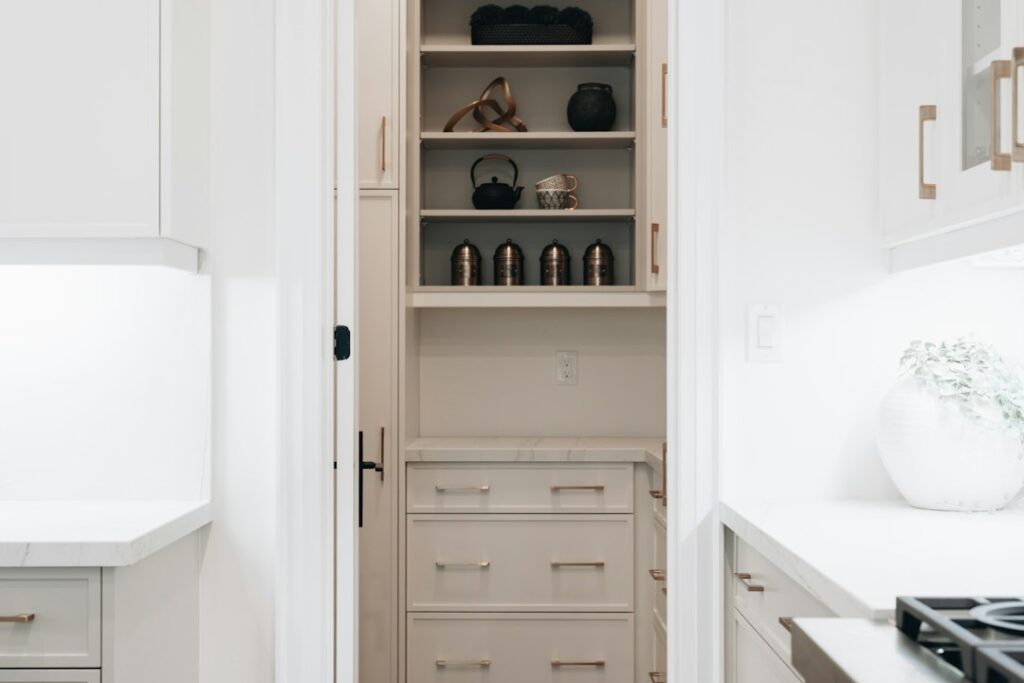
Small kitchens can work well when storage is planned around how the room is actually used. In Newmarket, NH, many households balance older home layouts, limited square footage, seasonal cooking, and the need to store more than fits comfortably in standard cabinets. The most effective solutions usually combine better organization, improved access, and careful use of overlooked spaces.
How should storage be planned in a small kitchen?
Start by identifying what needs to be stored, where it is used, and how often it is accessed. Storage capacity is only useful when everyday items are easy to reach.
A practical inventory can be divided into four groups:
- Daily-use items, such as plates, glasses, cooking utensils, coffee supplies, and frequently used pans
- Weekly-use items, such as mixing bowls, small appliances, serving pieces, and food-storage containers
- Occasional items, such as holiday cookware, specialty tools, and entertaining supplies
- Bulky or seasonal items, including large stockpots, canning equipment, countertop appliances, and extra dishware
Daily-use items should remain between waist and eye level whenever possible. Less frequently used items can move to higher shelves, deep drawers, or a separate storage area. This approach reduces clutter without forcing every cabinet to serve the same purpose.
Which cabinet features create the most usable space?
Deep drawers often provide more practical storage than lower cabinets with doors. Pots, pans, food containers, and dishes can be arranged in a single layer instead of stacked behind one another.
Useful cabinet features include:
- Wide drawers for cookware and dishes
- Full-extension drawer hardware that allows the contents to be viewed from the front
- Pull-out shelves for lower cabinets
- Narrow vertical cabinets for baking sheets, cutting boards, and trays
- Adjustable shelves that can be repositioned as needs change
- Corner solutions that bring stored items within reach
A common misconception is that deeper cabinets always provide more storage. A deep shelf may hold more volume, but the back portion can become difficult to reach. Pull-out shelves or drawers often make that space more functional.
Upper cabinets can also be improved with adjustable shelving, interior risers, and small vertical dividers. These additions separate short and tall items so that empty space above plates or bowls is not wasted.
How can corners and narrow gaps be used?
Corners are frequently underused because standard cabinet doors do not provide a clear view of the contents. A corner cabinet may work better with a rotating shelf, pull-out interior, or simplified storage plan for occasional-use items.
Narrow spaces can be useful when assigned to the right objects. A slim cabinet may hold:
- Cutting boards and baking sheets
- Spices and oils
- Cleaning supplies
- Rolling pins and kitchen towels
- Small pantry items
Open shelving can add storage in a small kitchen, but it should be used selectively. A short shelf for everyday dishes or frequently used ingredients can be helpful. Too much open storage may create visual clutter, especially in a compact room with limited wall space.
Are drawers better than cabinets for small kitchens?
Drawers are often better for items that are handled frequently, while cabinets remain useful for tall, oversized, or irregularly shaped objects. The choice depends on what is being stored rather than on a simple preference for one type.
A drawer below a prep area can hold knives, utensils, measuring tools, and mixing accessories. A deeper drawer can store pots and pans without requiring a person to kneel and reach toward the back.
Cabinets are still valuable for:
- Tall bottles
- Small appliances
- Trash and recycling containers
- Large serving bowls
- Paper products
- Items that require vertical clearance
A well-designed small kitchen usually uses both. Replacing every lower cabinet with drawers may reduce flexibility for tall items, while relying only on doors can make everyday storage harder to access.
What should be stored near the main work areas?
Storage works best when it follows the kitchen’s activity zones. Items should be placed close to the area where they are used.
Near the refrigerator, keep food-storage containers, wraps, reusable bags, and frequently accessed pantry items. Near the sink, store dish towels, cleaning supplies, strainers, and everyday dishes. Near the cooking surface, place pots, pans, utensils, spices, and heat-safe equipment.
This arrangement reduces unnecessary movement and helps prevent counters from becoming temporary storage areas. It also makes it easier for more than one person to work in the kitchen without opening every cabinet to find a basic item.
How can a small pantry hold more without becoming disorganized?

A small pantry benefits from visibility more than maximum depth. Clear categories and shallow containers often provide better results than filling shelves completely.
Use shelf risers for cans and short jars, bins for grouped items, and vertical dividers for baking supplies or packaged foods. Labeling is optional, but consistent grouping is essential. Similar foods should stay together so that purchases are not duplicated.
Food should not be stored directly against areas that may experience moisture or temperature changes. In older homes or kitchens with exterior walls, check for dampness, drafts, or condensation before using a cabinet or pantry for long-term food storage.
Seasonal items can be rotated. Holiday baking supplies, large roasting equipment, and specialty serving pieces do not need to occupy the most convenient storage every month.
Can walls and doors provide additional storage?
Yes, but wall-mounted storage should not interfere with movement, ventilation, or cabinet operation. A narrow rail, peg system, or shallow shelf can hold selected tools while keeping the countertop clear.
The inside of a cabinet door may accommodate lightweight items such as:
- Measuring spoons
- Pot lids
- Spice packets
- Cleaning brushes
- Small food-storage accessories
Door-mounted organizers should be checked for clearance before installation. They can prevent the door from closing properly or interfere with shelves inside the cabinet. Heavy objects should not be mounted to a door unless the hinges and cabinet construction are designed to support the added weight.
How should storage account for Newmarket’s seasonal routines?
Local households may need to accommodate seasonal cooking, winter entertaining, garden-related food storage, and equipment used only part of the year. Those items should not take up prime kitchen space year-round.
A useful approach is to keep everyday cookware in the kitchen and move occasional equipment to a nearby pantry, utility area, basement storage space, or secure shelving elsewhere in the home. Seasonal rotation works best when storage containers are labeled and grouped rather than scattered across several locations.
Cold-weather routines can also increase the need for space near the entry or kitchen for reusable bags, insulated containers, beverage supplies, and bulk pantry goods. Planning for these habits can reduce counter clutter during the busiest parts of the year.
Which storage mistakes are most common?
The most frequent mistake is adding organizers without first removing unused or duplicate items. A crowded cabinet remains crowded even after shelves and bins are installed.
Other problems include:
- Storing heavy items on high shelves
- Using deep shelves without pull-out access
- Placing seldom-used appliances in prime storage locations
- Ignoring the space above cabinets or below shelves
- Choosing open shelving for items that are difficult to keep orderly
- Failing to measure appliance doors, drawer openings, and walking clearances
- Treating recycling and waste storage as an afterthought
Storage improvements should preserve safe movement and clear access to appliances, plumbing fixtures, electrical outlets, and ventilation equipment. Any work involving electrical, plumbing, structural changes, or suspected moisture damage may require qualified guidance and compliance with applicable requirements.
The most successful small kitchens are not necessarily those with the greatest number of cabinets. They are the kitchens where storage matches household routines, frequently used items remain accessible, and every section of the room has a clear purpose.